Understanding the Smallpox Vaccine and Its Efficacy
The smallpox vaccine stands as a monumental achievement in public health, being the first vaccine ever developed against a contagious disease and leading to the global eradication of smallpox. Introduced by Edward Jenner in 1796 using the relatively mild cowpox virus, it laid the foundation for modern vaccinology. Today, the contemporary smallpox vaccine utilizes the vaccinia virus, an orthopox virus distinct from both the deadly variola virus (which causes smallpox) and cowpox, yet it remarkably offers robust cross-protection against smallpox infection.
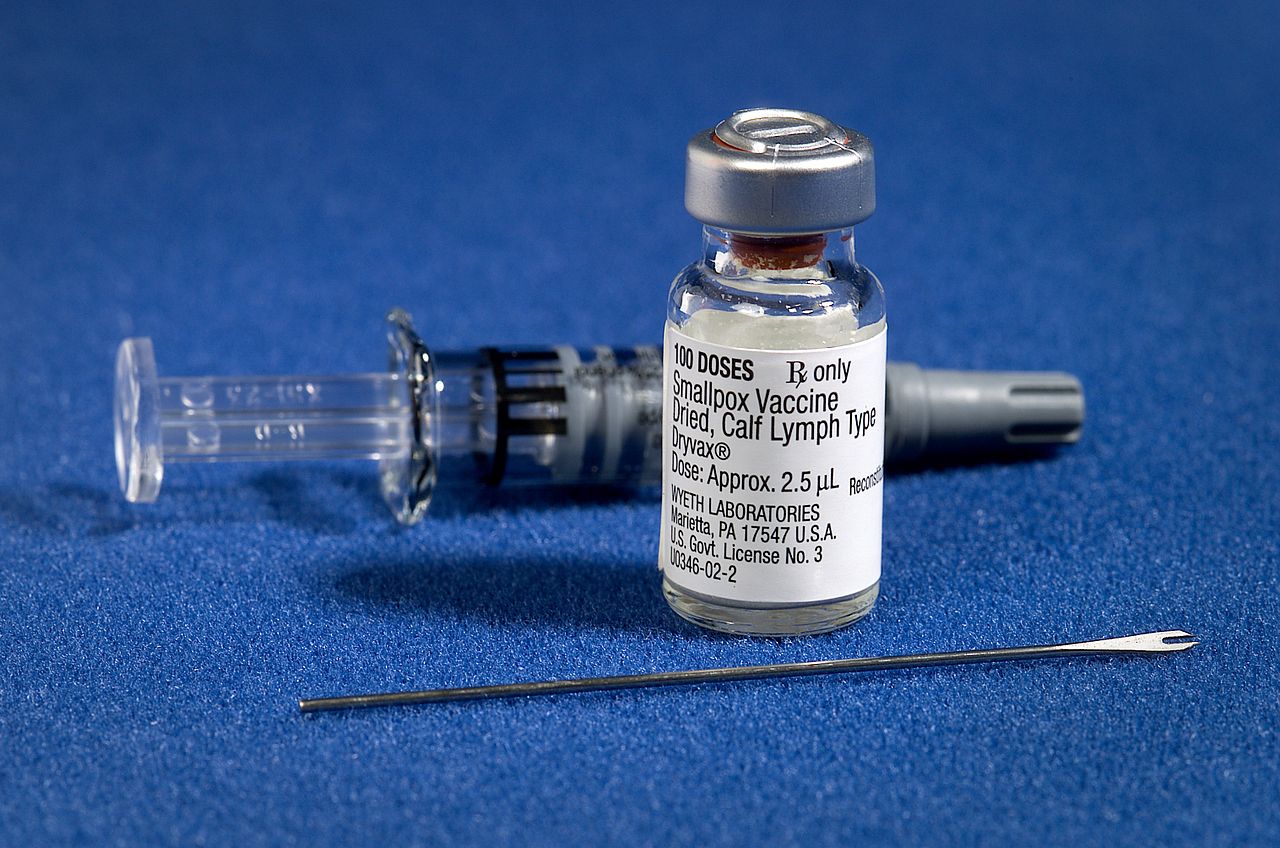
When administered correctly, typically using a bifurcated needle, the smallpox vaccine is incredibly effective, boasting nearly 100% efficacy. Its protective power isn't limited to pre-exposure; it can also prevent or significantly modify the disease even when given within three to four days of exposure, and potentially even after longer delays. This rapid response capability highlights its value not only for prevention but also as a post-exposure prophylactic measure in specific scenarios. While routine vaccination is a thing of the past for the general public, the vaccine remains crucial for research and strategic preparedness against potential bioterrorism threats or emerging orthopox diseases like mpox. To learn more about its historical impact, read Smallpox Vaccine: The Shot That Eradicated a Disease.
Common and Expected Reactions to Smallpox Vaccination
Unlike many modern vaccines, the smallpox vaccine elicits a distinct and visually identifiable immune response known as a "primary take." This reaction is a positive indicator that the vaccine is working and immunity is developing. After the administration—which involves several rapid punctures (typically 3 for primary vaccination and 15 for revaccination) with enough vigor to produce a trace of blood���the vaccination site undergoes a predictable series of changes:
- Days 3-4: The site becomes reddened and often intensely itchy (pruritic).
- Days 7-11: A large, fluid-filled vesicle develops, surrounded by a red ring (areola). This vesicle then progresses into a pustule, a blister filled with pus.
- By the Third Week: The lesion scabs over, eventually falling off and leaving a characteristic scar.
Beyond these localized skin reactions, the most common systemic adverse event experienced by vaccine recipients is a fever. While these reactions might seem significant, they are generally considered normal and expected signs of a successful immunization, indicating that the body's immune system is mounting a protective response.
Serious Smallpox Vaccine Risks and Complications
While effective, the smallpox vaccine, particularly the older live, attenuated vaccinia virus vaccines derived from calf lymph, carries a risk of serious complications that prevent its widespread civilian use in the absence of an outbreak. It's estimated that for every million people immunized for smallpox, 14 to 52 individuals experienced serious or life-threatening adverse reactions, and approximately 1 to 2 per million primary vaccinees died. These figures underscore the careful risk-benefit analysis required when considering vaccination. The more serious complications include:
- Eczema Vaccinatum: This severe complication occurs in individuals with a history of eczema (atopic dermatitis) or other exfoliative skin conditions. It involves a local or disseminated vaccinia infection, potentially spreading widely across the skin and leading to severe illness.
- Vaccinia Necrosum (Progressive Vaccinia): A rare but often fatal complication primarily affecting immunocompromised individuals. In these cases, the vaccinia virus lesion fails to heal, progressively enlarging and destroying tissue. It can disseminate throughout the body, leading to systemic infection.
- Autoinoculation: This occurs when the vaccinia virus from the vaccination site is inadvertently transferred to another part of the body, most commonly the eye. It can lead to severe vaccinia keratitis, potentially causing corneal scarring and vision impairment. Other areas, like the mouth or genitals, can also be affected.
- Generalized Vaccinia: Characterized by the development of vaccinia lesions at sites distant from the vaccination site, without a history of eczema or other underlying conditions. While usually self-limiting, it can be severe.
- Myopericarditis: Inflammation of the heart muscle (myocarditis) and/or the sac surrounding the heart (pericarditis). Symptoms can include chest pain, shortness of breath, and fatigue.
- Encephalitis: A very rare but severe inflammation of the brain, which can lead to neurological damage or even death.
These serious adverse events highlight why, despite its efficacy, the smallpox vaccine is not routinely administered to the general public today and is reserved for specific at-risk populations or in the face of a genuine threat.
Who Should NOT Get Immunized? A Critical Look at Contraindications
Due to the significant risks of severe complications, the smallpox vaccine is contraindicated for a substantial portion of the population—up to 30% or more. Understanding these contraindications is paramount for public health planning and individual safety. The primary groups who should not receive the smallpox vaccine include:
- Infants: Their developing immune systems and smaller body mass make them particularly vulnerable to adverse reactions.
- Pregnant Women: Vaccination during pregnancy poses a risk to the fetus, with potential for congenital vaccinia infection.
- Breastfeeding Women: There's a concern that the vaccinia virus could be transmitted to the infant through breast milk or close contact, especially if the infant has underlying risk factors.
- Immunocompromised Individuals: This broad category includes people with conditions that weaken their immune system, such as:
- Those with HIV/AIDS.
- Cancer patients, especially those undergoing chemotherapy or radiation.
- Organ transplant recipients on immunosuppressant medications.
- Individuals with primary immunodeficiency disorders.
- People receiving high-dose corticosteroids or other immunosuppressive therapies.
For these individuals, the live vaccinia virus in the vaccine can lead to uncontrolled, progressive vaccinia infection (vaccinia necrosum), which can be life-threatening.
- Individuals with Eczema or Other Exfoliative Skin Disorders: People with current or a history of eczema, atopic dermatitis, psoriasis, severe acne, or other conditions causing skin barrier disruption are at high risk of developing eczema vaccinatum, a severe and widespread vaccinia infection.
- People Living In or In Intimate Contact with Individuals in the Above Categories: This is a crucial, often overlooked contraindication. Since the vaccinia virus can be transmitted from the vaccination site to others through direct contact, individuals who live with or have intimate contact (e.g., healthcare workers, caregivers, family members) with infants, pregnant women, immunocompromised individuals, or those with skin disorders should generally not be vaccinated. This measure protects vulnerable contacts from inadvertent exposure and potential severe disease.
- People with Cardiovascular Conditions: Individuals with certain heart conditions, such as coronary artery disease, history of heart attack, stroke, or other significant cardiac issues, may be at increased risk for myopericarditis and other cardiac complications post-vaccination.
Given that such a significant portion of the population falls into one or more of these contraindicated groups, any mass vaccination campaign for smallpox vaccine would require extremely careful screening and a nuanced approach to risk management. This complexity is one of the key reasons why the vaccine's role today is primarily focused on strategic stockpiling and targeted immunization for specific high-risk personnel, rather than general public use. For further insights into the vaccine's current role, explore Beyond Eradication: The Smallpox Vaccine's New Role.
Weighing the Benefits Against the Risks
The decision to administer the smallpox vaccine today is a complex one, always balancing its proven efficacy against the substantial risks of adverse events. In an era where smallpox has been eradicated, the primary considerations for vaccination shift from routine public health to national security and specific occupational risks, such as military personnel or laboratory workers handling orthopoxviruses. During a bioterrorism event or a widespread mpox outbreak, public health officials would face the challenging task of rapidly assessing the threat level against the vaccine's known side effects, particularly for the large percentage of the population with contraindications.
Alternative smallpox vaccines have been developed with safety concerns in mind. Live, attenuated vaccinia virus vaccines derived from calf lymph were instrumental in eradication, but their safety limitations are well-documented. Newer cell-culture derived vaccines have been compared to the traditional calf-lymph vaccines, showing similar immunogenicity and safety profiles in healthy adult trials. While these developments are promising, they still contain live vaccinia virus and are likely to share many of the same contraindications and risks as their predecessors, necessitating stringent screening processes.
Ultimately, the smallpox vaccine is a powerful tool, but one that must be wielded with extreme caution. Any recommendation for immunization, whether for an individual or a population, must come from qualified medical and public health authorities, taking into account the specific threat, individual health status, and the latest scientific understanding of vaccine safety.
Conclusion
The smallpox vaccine represents a triumph of medical science, successfully eradicating one of humanity's most feared diseases. However, its history also teaches us invaluable lessons about vaccine risks and contraindications. While incredibly effective, the vaccinia-based vaccine carries a risk of serious adverse events, including eczema vaccinatum, vaccinia necrosum, and myopericarditis, which disproportionately affect vulnerable populations. Consequently, individuals who are immunocompromised, pregnant, breastfeeding, infants, those with certain skin conditions like eczema, or close contacts of these groups are strongly advised against immunization. Understanding these significant contraindications is not merely historical knowledge; it remains critically important for strategic preparedness against potential biological threats and for guiding responsible public health decisions. In the absence of a genuine threat, the risks of the smallpox vaccine generally outweigh the benefits for the general public, underscoring the necessity for informed medical consultation and careful risk assessment in any scenario where vaccination might be considered.